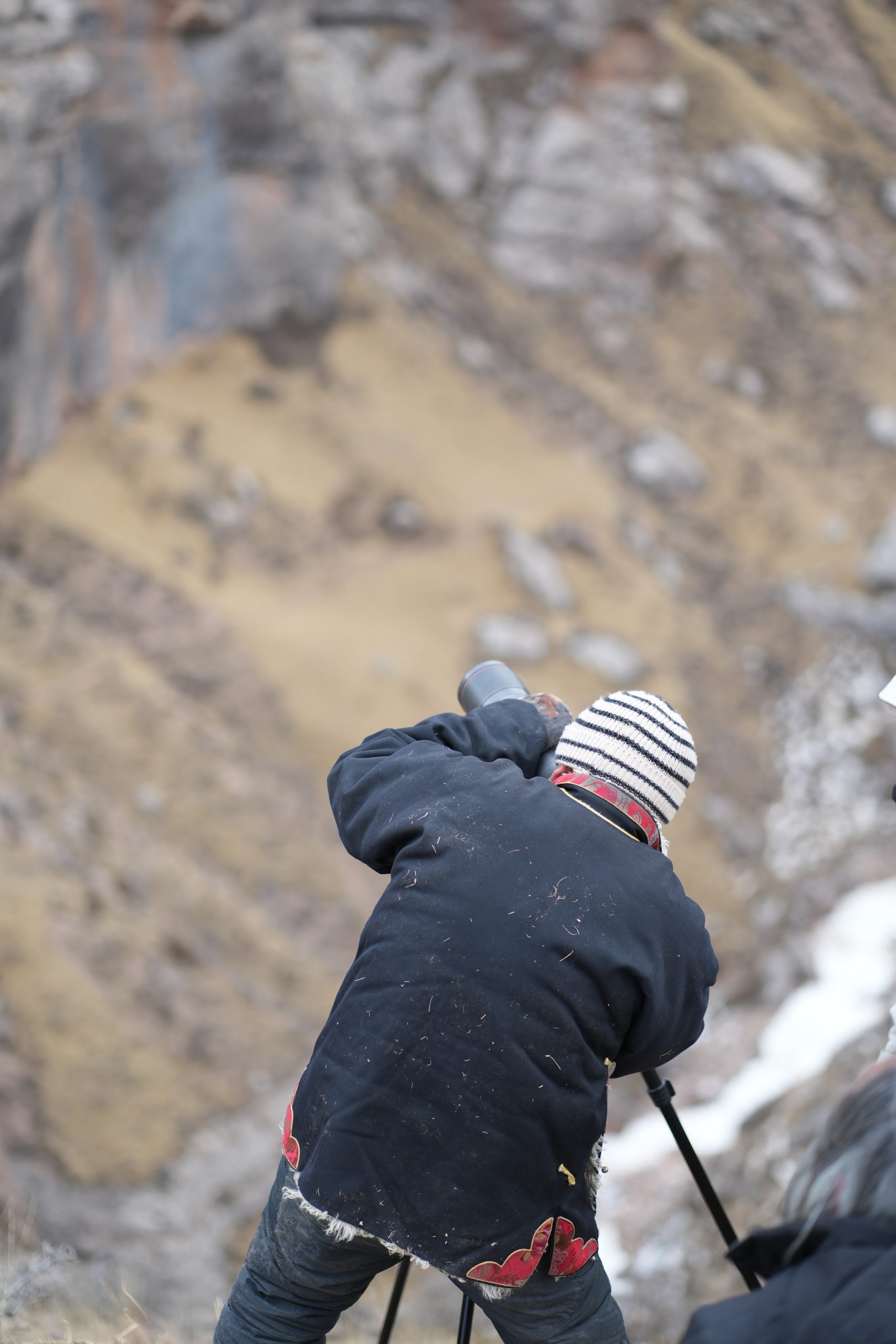
China Snow Leopard Expedition
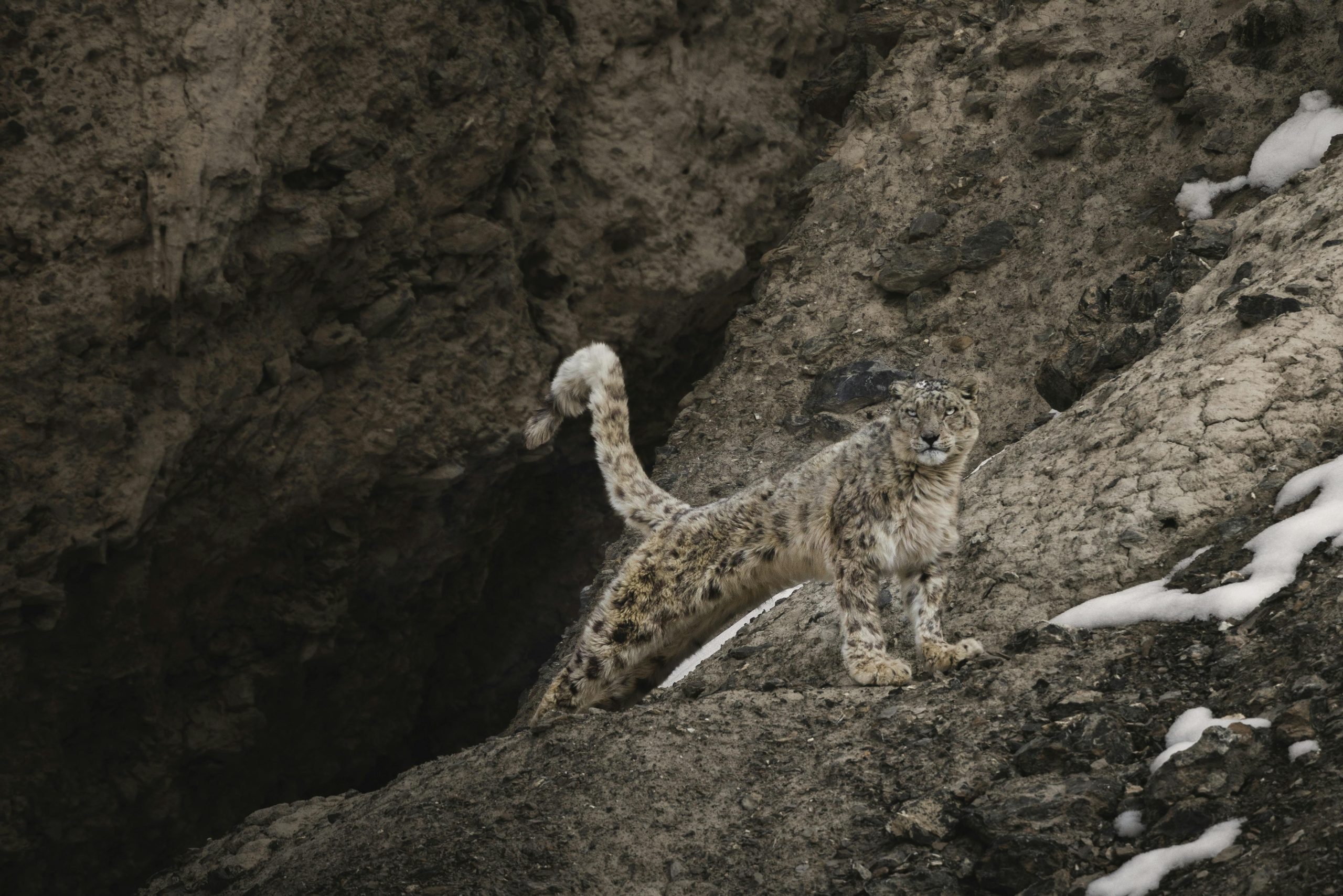
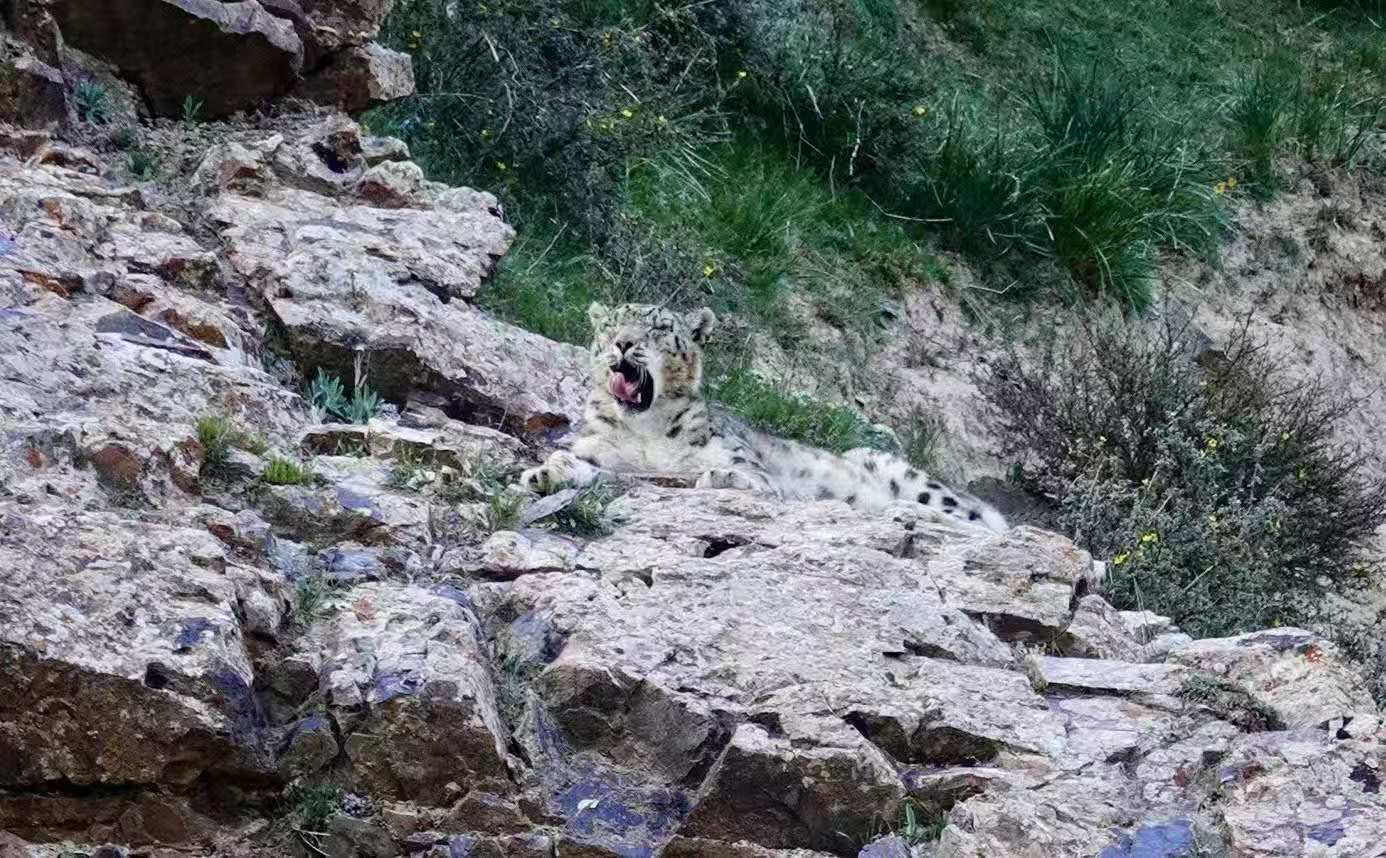
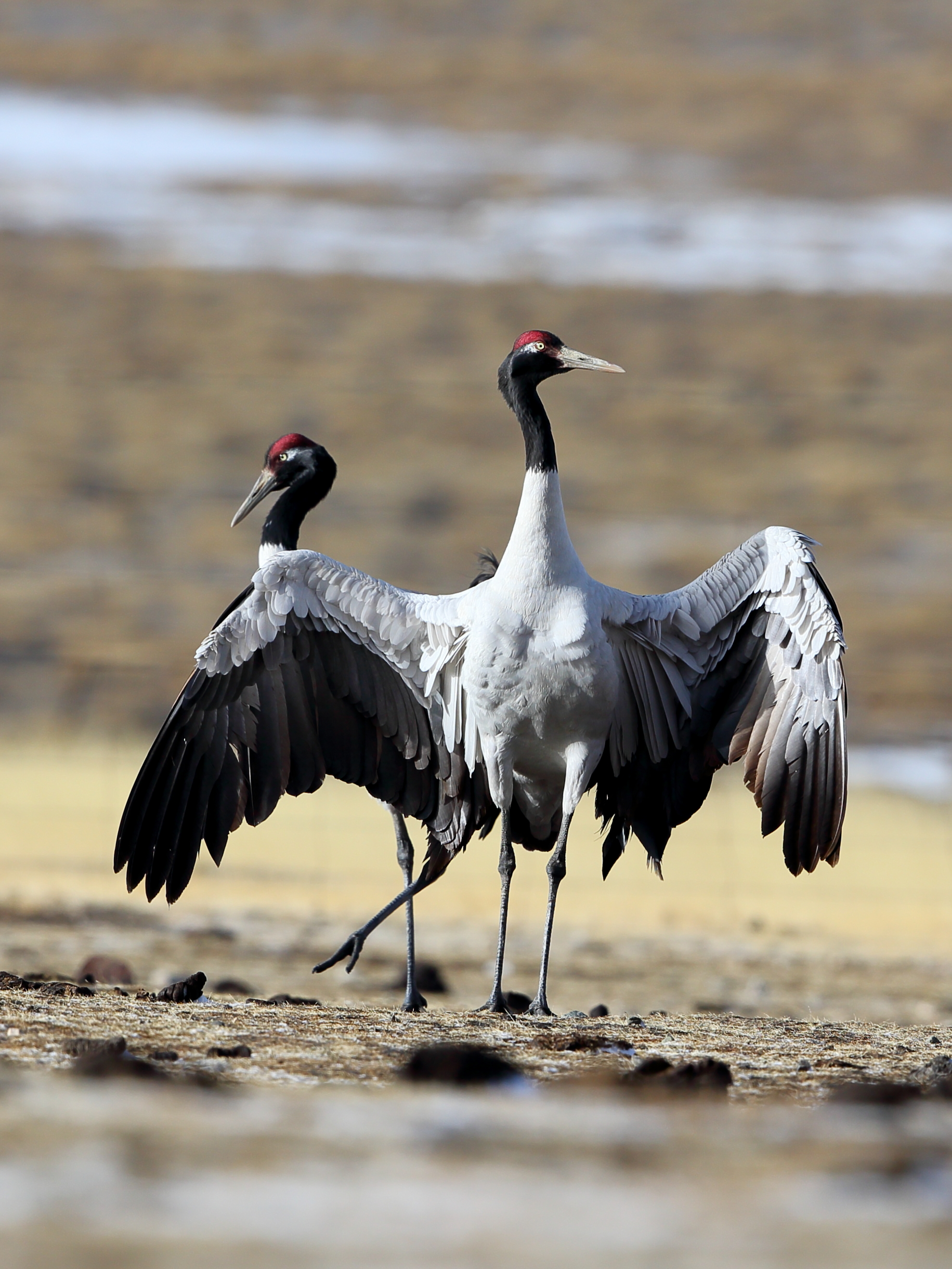
In the remote highlands of the Tibetan Plateau, near the border of Tibet, lies the Sanjiangyuan region, this sacred land is one of the world’s most snow leopard–dense regions, a true wildlife wonderland. Guided by our local specialists featured in National Geographic and Frozen Planet, you will find snow leopards, Pallas’s cats, blue sheep, white-lipped deer, wild yaks, Tibetan foxes, Tibetan antelopes, wolves, and bearded vultures.
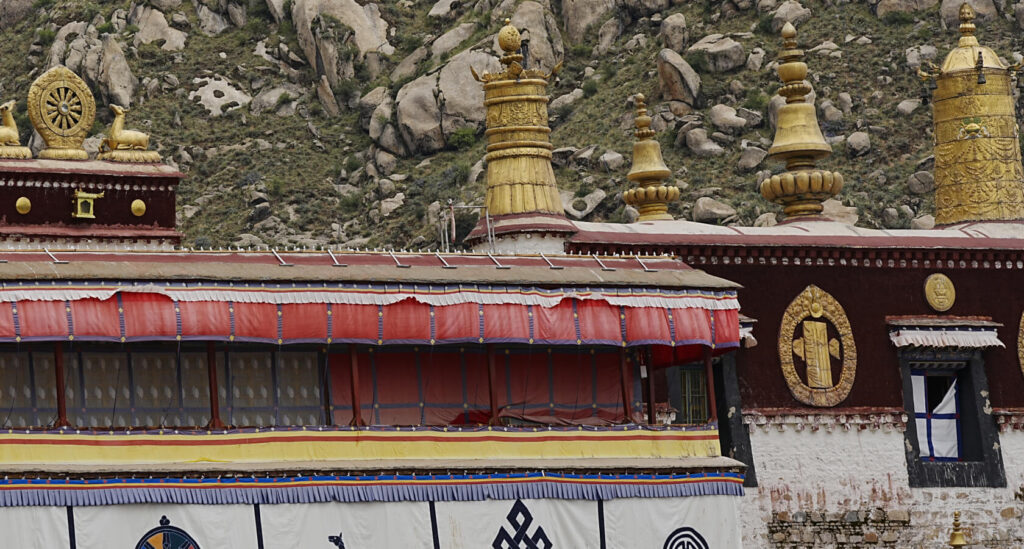
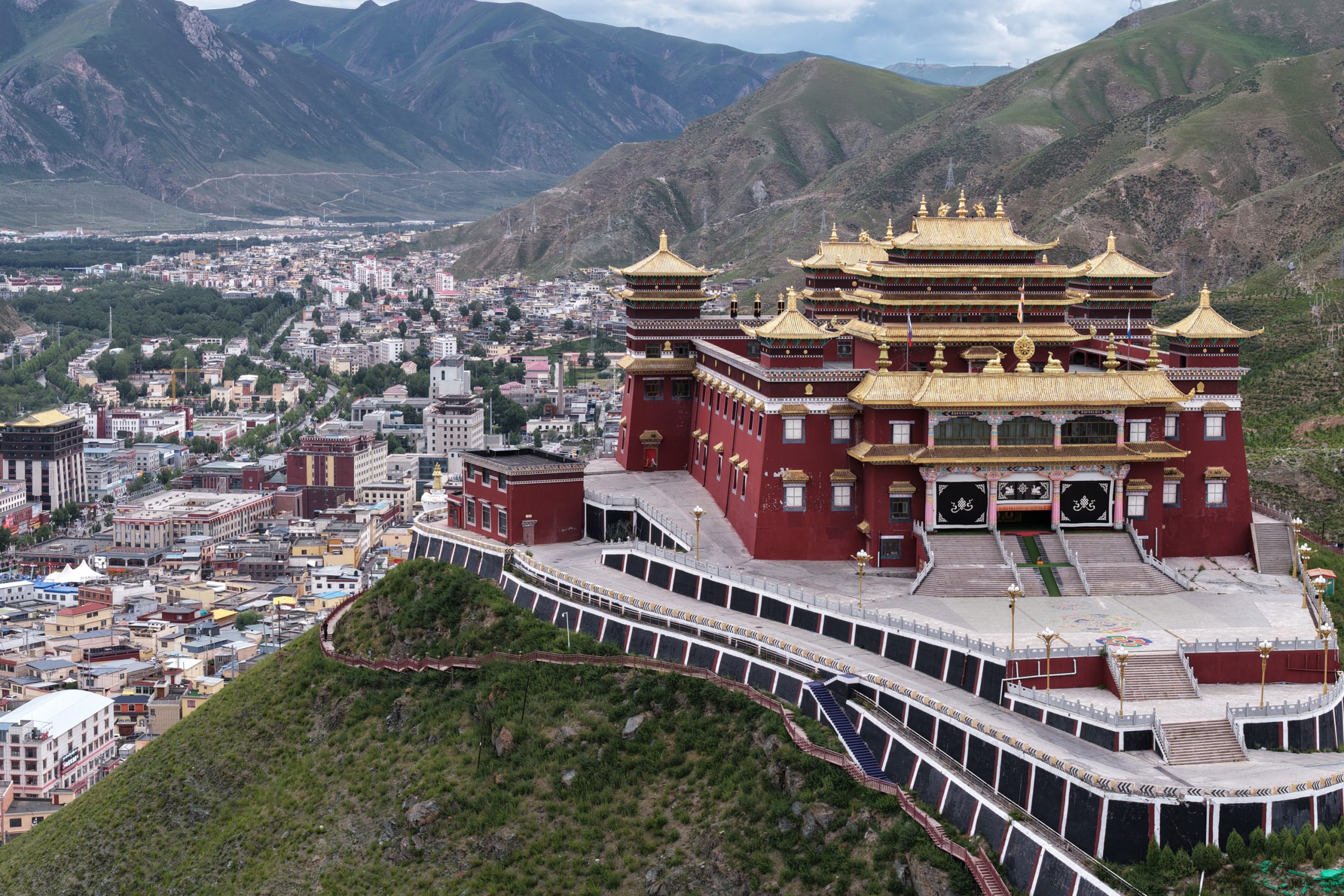
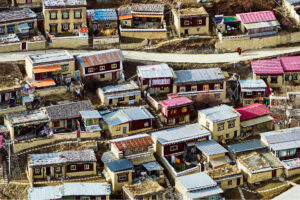
Beyond the wildlife, the region is also rich in Tibetan culture, stroll through peaceful Tibetan towns, visit surreal Monastery, and share a cup of butter tea in a local herder’s home.
Journey Highlights

Experience the purest Buddhist faith and authentic Tibetan lifestyle in this hidden gem
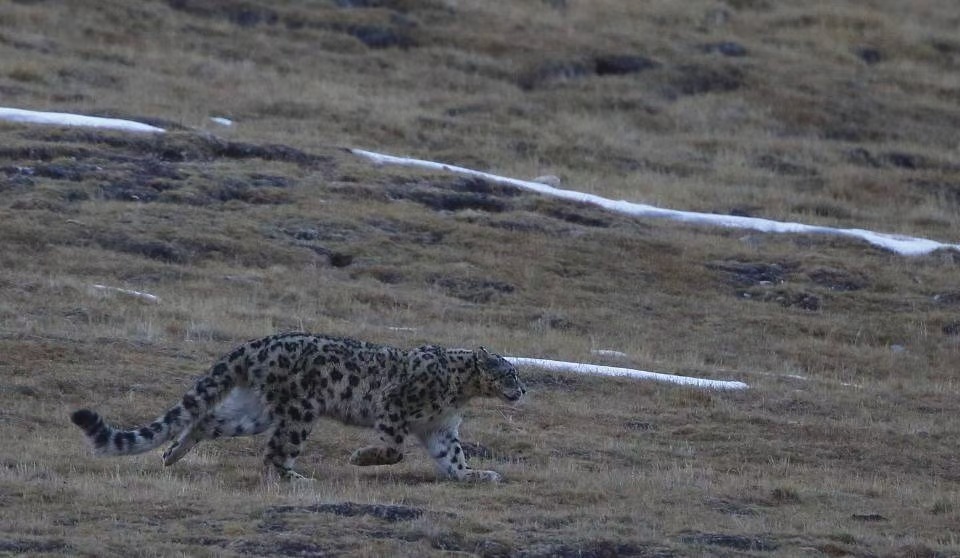
Home to the world’s largest snow leopard population
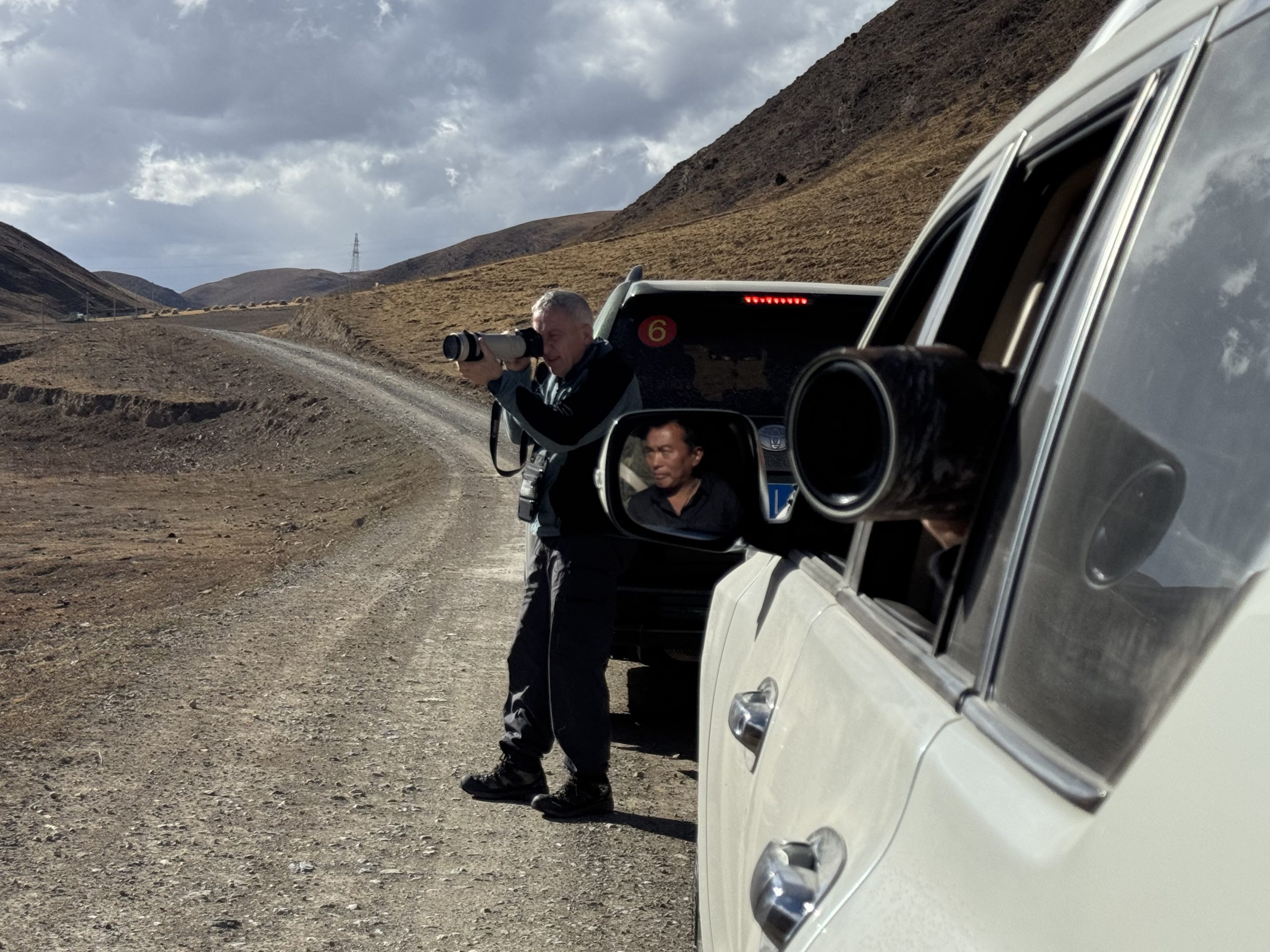
Daily wildlife tracking powered by our three observation zones and herder monitoring network


Day-by-day Itinerary
Arrival in Yushu City
Begin in Yushu, the cultural heart of the Tibetan Plateau and gateway to Sanjiangyuan National Park. Meet your trip leader in the hotel lobby for a visit to the Yushu Prefecture Museum, where you’ll be introduced to the region’s wildlife and Khampa heritage, followed by a detailed introduction to the upcoming expedition before gathering for a welcome dinner with fellow travelers.
Interested in a similar itinerary but want to Travel Privately?
Featured Stays




Vienna International Hotel
Inclusions & Offers
Dates & Prices
Traveler Reviews
FAQs
Can we definitely see snow leopards?
There’s never a 100% guarantee when observing wildlife. Snow leopards are wild animals and are used to traversing freely in the highland environment. However, we’ve selected multiple high-probability locations, scheduled multiple attempts, and coordinated with local villagers who scout in advance to maximise your chances of seeing a snow leopard.
Recommended Equipment for Photographing Snow Leopards
Use a camera model you are comfortable with. Bring extra batteries. Common lenses are 500mm or 200mm:
-
500mm is heavier and suited for professional wildlife photographers.
-
200mm is easier to carry and more practical for casual photography.Remember: Snow leopard appearances may last only seconds. Capture the moment first—worry about quality later.
-
If you’re an experienced photographer and want to capture high-quality wildlife photos, we recommend bringing a 600mm or 800mm lens.